
Understanding the psychological impacts of casino environments on players' behavior
The allure of casino environments
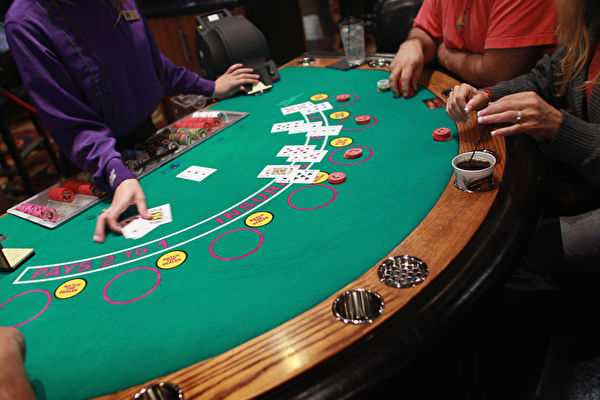
Casino environments are intricately designed to captivate players and heighten their senses. From the vibrant lights to the enticing sounds of slot machines, these elements create an atmosphere that encourages players to engage in gambling activities. This sensory overload is not merely for aesthetic purposes; it is a carefully curated experience that aims to enhance excitement and immersion. Players often find themselves entranced, leading to prolonged gambling sessions that can overshadow their decision-making abilities. When seeking to enhance their betting options, many find reliable world cup betting sites to explore various strategies.

Additionally, the layout of casinos contributes significantly to player behavior. Most casinos are designed without clocks or windows, creating a disorienting effect that makes it difficult for players to gauge the passage of time. This tactic fosters a sense of timelessness, encouraging players to stay longer and spend more money. The psychological impact of such designs cannot be underestimated; they exploit basic cognitive biases, leading individuals to engage in behaviors they might normally avoid, such as excessive gambling.
Furthermore, the social dynamics within casinos play a crucial role in influencing player behavior. The presence of other gamblers can create a communal atmosphere that is both exciting and reinforcing. Players often feel a sense of belonging and camaraderie, which can amplify their emotional responses to wins and losses. This social interaction can lead to increased spending as players seek to keep the adrenaline flowing in tandem with their peers, further complicating their relationship with gambling.
The role of rewards and reinforcement
Reward systems in casinos are meticulously structured to maximize player engagement. The intermittent reinforcement schedule, wherein players receive rewards at unpredictable intervals, creates a compelling cycle of anticipation and excitement. This psychological principle aligns closely with the concept of the ‘gambling paradox,’ where players continue to engage despite experiencing losses, motivated by the hope of future wins. This cycle perpetuates a pattern of behavior that can lead to addiction, as the emotional highs associated with wins become more sought after than the reality of losses.
Moreover, the concept of “near misses” plays a significant role in gambling psychology. When players experience situations where they almost win—such as landing two out of three symbols on a slot machine—this can trigger a psychological response that encourages them to continue playing. Such near misses create a false sense of hope, making it seem like success is just within reach. This phenomenon can lead players to ignore the statistical reality of their chances, further entrenching them in the gambling cycle.
The role of loyalty programs and player rewards cannot be overlooked either. Many casinos offer incentives such as free meals, hotel stays, and exclusive experiences for frequent players. While these rewards may initially seem benign, they can encourage players to gamble more than they intended, with the lure of complimentary benefits overshadowing their better judgment. This dynamic creates a complex relationship where players feel rewarded for their losses, further solidifying their commitment to the casino environment.
The impact of emotions on gambling behavior
Emotions play a significant role in shaping how players behave in casino environments. The thrill of winning can lead to elation, prompting players to wager more to extend their high. Conversely, losses can evoke feelings of frustration or despair, which may lead players to chase their losses in an attempt to regain a sense of control. This emotional rollercoaster can cloud judgment, making it challenging for players to make rational decisions about their gambling activities.
Additionally, the concept of mood enhancement is prevalent in casino settings. Many players enter casinos seeking an escape from their daily lives or a way to enhance their social interactions. The excitement of gambling can temporarily elevate their mood, making them more likely to engage in risky behavior. This emotional engagement can blur the lines between entertainment and addiction, as players may find it difficult to disengage even when they are aware of their losses.
The psychological impact of emotions is further complicated by the presence of promotional activities within casinos. Events like tournaments, themed nights, and special offers can elicit excitement and anticipation, encouraging players to take risks they might otherwise avoid. These promotional tactics can capitalize on players’ emotions, enhancing the immersive experience of the casino and often leading them to make impulsive decisions that could have long-term consequences.
Myths and misconceptions about gambling
Despite its prevalence in society, there are numerous myths and misconceptions surrounding gambling that can influence player behavior. One common belief is that certain strategies or “systems” can guarantee wins. While players may feel empowered by these strategies, the reality is that gambling is predominantly based on chance. Understanding this distinction is crucial; failing to recognize the random nature of games can lead to increased losses and addictive behaviors.
Another misconception is the idea that losses must be recouped by continuing to gamble. This belief can lead to what is known as “loss chasing,” where players feel compelled to gamble more in an attempt to recover lost money. This cycle can be incredibly damaging, as it often results in deeper financial losses and emotional distress. Acknowledging these myths is essential for fostering healthier gambling behaviors and recognizing the importance of setting limits.
Lastly, many players underestimate the potential for addiction, believing they can control their gambling habits. This misconception can prevent individuals from seeking help when necessary. The psychological impacts of casino environments can easily lead to compulsive behavior, making it vital for players to be aware of their limits and seek support when their gambling becomes problematic. Understanding these myths can empower players to engage with gambling in a more informed and responsible manner.
Your resource for responsible gambling
As awareness of the psychological impacts of casino environments grows, it is essential for players to have access to resources that promote responsible gambling. Many platforms provide comprehensive information, tools, and support systems designed to help individuals navigate the complexities of gambling behavior. These resources often include self-assessment tools, educational materials, and contact information for local support organizations.
By fostering a better understanding of the psychological aspects of gambling, players can make informed decisions about their participation in casino activities. Seeking out resources that emphasize responsible gambling can equip individuals with the knowledge and strategies needed to enjoy gambling as a form of entertainment rather than a source of stress or financial burden. Awareness and education are key to empowering players in making healthier choices.
In conclusion, understanding the psychological impacts of casino environments is crucial for promoting healthier gambling behaviors. As players become more aware of how their environments and emotions influence their decisions, they can take proactive steps to mitigate risks. By utilizing available resources, individuals can ensure that their gambling experiences remain enjoyable and controlled, leading to a more sustainable relationship with this form of entertainment.